
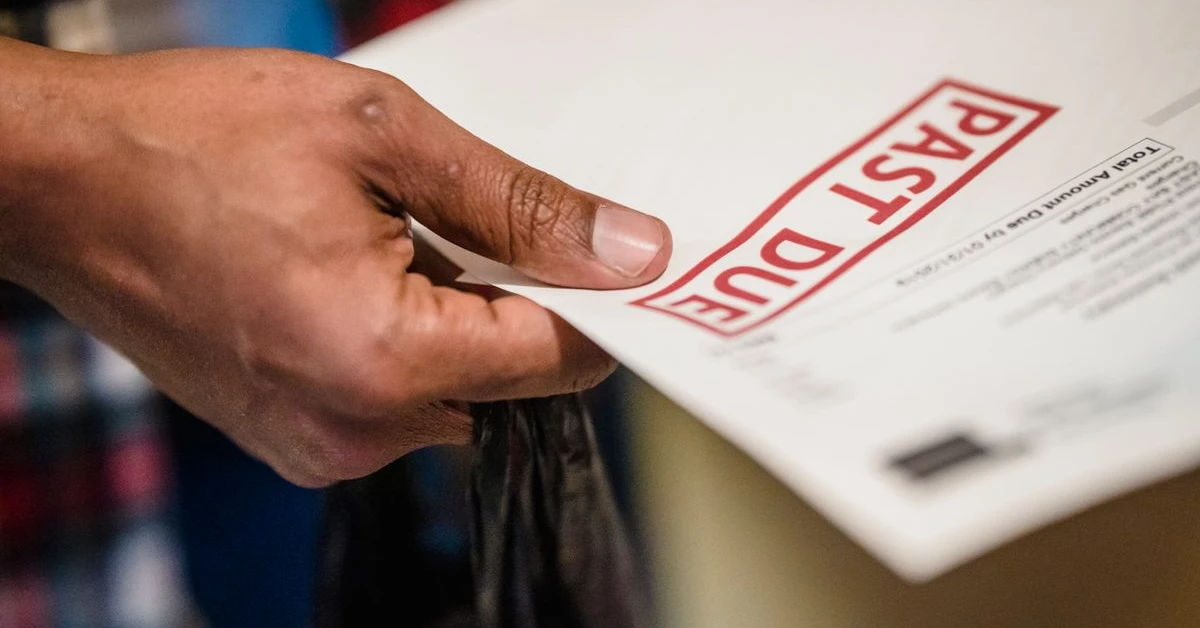
A consumer proposal and debt settlement explained
A consumer proposal is a formal offer to your unsecured creditors, filed under the Bankruptcy and Insolvency Act and administered by a Licensed Insolvency Trustee. You offer to repay part of what you owe over a period of up to five years, and your creditors vote on it. To qualify, your debts must be less than $250,000, excluding any debts secured by your principal residence.
Source: Office of the Superintendent of Bankruptcy Canada – You owe money, Consumer proposals
Debt settlement is like an informal version of a consumer proposal, but they are very different. In informal debt settlement, you negotiate directly with each creditor to pay less than the total balance to settle an account. There’s no legal filing, no administrator and no vote, because each creditor decides independently.
While both options aim to reduce what you repay, only a consumer proposal is legally binding.
Consumer proposal vs debt settlement comparison table
Here are the main differences between a consumer proposal and debt settlement.
| Where they differ | Consumer proposal | Debt settlement |
|---|---|---|
| What it is | A formal agreement between you and your creditors under the Bankruptcy and Insolvency Act | Negotiating with one creditor at a time |
| Who administers it | A Licensed Insolvency Trustee | You or a private for-profit company |
| Binding on unsecured creditors | All of them, once accepted and approved | Only the creditors that accept |
| Garnishment and lawsuits by unsecured creditors | Stopped once filed | Not stopped |
| Maximum term | Five years | For whatever term you decide with each creditor |
| Debt limit to qualify | $250,000, excluding debts secured by your principal residence. | None |
| How the fee is set | Fixed by federal regulation | No fee if you do it yourself. Fees set by debt settlement companies |
| Interest continues to accrue | No. Interest stops accruing when filed | Yes. Interest continues to accrue |
| Counselling | Two sessions, required | None |
| Time on your credit report | 3 years after the debts are paid or 6 years after signing (whichever is first) | No set period for a settled account |
If your wages are already being garnished, you don’t have much wiggle room to negotiate with a creditor. This makes debt settlement challenging right from the start, even before considering any fees. Creditors can also ignore your settlement offer altogether.
A consumer proposal clearly sets out your payment amount, payment date, and end date, giving you a clear path to completion. In contrast, debt settlement leaves you uncertain until a creditor agrees, making it less reliable for managing your debt.
Is a debt settlement or a consumer proposal legally binding?
Debt settlement is not a legally binding agreement. No formal filing is required, and creditor participation is optional.
A consumer proposal follows a set timeline established by law. Creditors have 45 days to accept it or request a meeting to vote against it.
If no meeting is requested in that time, the consumer proposal is accepted. A meeting occurs if creditors holding at least 25% of the proven claims request one.
Creditors receive one vote for each dollar of their proven claim, giving more weight to those with higher debt. A consumer proposal is approved with a simple majority of the total dollar value.
Source: Office of the Superintendent of Bankruptcy Canada – You are owed money, Consumer proposals
The court must also approve the consumer proposal, and approval is deemed to occur 15 days later unless the official receiver or another interested party requests a review within that time.
Source: Justice Laws Website – Bankruptcy and Insolvency Act, section 66.22
Once accepted, a consumer proposal legally binds all unsecured creditors, including those who opposed it. Secured creditors are only bound by their claims if they filed a proof of claim.
Source: Justice Laws Website – Bankruptcy and Insolvency Act, section 66.22 and section 66.28
How a stay of proceedings in a consumer proposal works
When you file a consumer proposal, it triggers a stay of proceedings, which stops creditors from pursuing you for debts. This means that collection calls, emails, wage garnishments and lawsuits will stop.
Sources: Justice Laws Website – Bankruptcy and Insolvency Act, section 69.2; Office of the Superintendent of Bankruptcy Canada – Creditors contacting you after you file a bankruptcy or a proposal?
Interest on your debts also stops accruing once you file your consumer proposal.
A consumer proposal does not protect you from all creditors. It cannot include mortgages, car loans, or family support payments.
Debt settlement has no such legal protection. If one creditor agrees to a deal, it doesn’t affect others, and a single creditor can reject your offer. Lawsuits and garnishments from other creditors continue, and interest keeps accruing.
Consumer proposal and debt settlement fees
A Licensed Insolvency Trustee’s fee is part of your consumer proposal payments, not an extra charge. You agree on a single monthly payment that includes both creditor payments and the trustee’s fee.
The trustee does not determine the fee. Instead, the Bankruptcy and Insolvency General Rules set the fees at $750 when the consumer proposal is filed, another $750 when it is approved, and 20% of the total amount distributed to creditors. The same rules cover the costs for counselling sessions, the filing fee and taxes.
Source: Justice Laws Website – Bankruptcy and Insolvency General Rules, section 129
Debt settlement companies do not have a standard pricing structure because they set their own fees. These for-profit companies may charge advance or monthly fees, which you may still owe even if creditors refuse to settle. However, you can arrange a debt settlement yourself, which only requires some of your time.
Source: Financial Consumer Agency of Canada – Using a debt settlement company
How does a consumer proposal or debt settlement affect your credit?
Like most debt relief options, a consumer proposal and debt settlement affect your credit. A consumer proposal remains on your credit report three years after you complete it, or six years after the date you filed, whichever comes first.
Source: Financial Consumer Agency of Canada – How long information stays on your credit report
When negotiating informal solutions such as debt settlement, the reported information includes the account history, which shows missed payments and, if applicable, any collections.
How do I choose between a consumer proposal and debt settlement?
If you have income and multiple creditors, a consumer proposal settles them all in one binding agreement rather than dealing with each one individually. You receive immediate legal protection from all your unsecured creditors. Collection calls, wage garnishments and all legal actions stop.
No creditor can opt out once the majority approves the consumer proposal. You will know your fixed monthly payments from day one, so there are no surprises, and you’ll have a clear timeline for becoming debt free.
With an informal debt settlement agreement, you don’t have that protection. Each creditor can choose to accept, reject, or ignore your offer. While you wait for their response, they can continue collection efforts, add interest, and even take legal action.
Debt settlement works best for one or two creditors, particularly when you have a lump sum available and no ongoing legal issues like wage garnishment.
| Your situation | The option that fits |
|---|---|
| One creditor, a lump sum ready, nothing in court | Debt settlement |
| Several unsecured creditors and steady income | Consumer proposal |
| Wages already being garnished | Consumer proposal |
| No income and no assets | Neither. Bankruptcy might be best |
Frequently asked questions
Can I settle my debts on my own without a company?
Yes. Contact your creditors directly to propose a lump sum settlement. Get the agreement in writing before making any payment.
By doing it yourself, you avoid the high fees that debt settlement companies charge. Creditors are not required to accept your offer.
Will creditors accept a 50% debt settlement offer?
Creditors might accept a lower settlement amount for older or delinquent debts, but this isn’t guaranteed. There isn’t a fixed percentage for settlements, and no one can promise a specific figure without first discussing it with your creditor.
The amount a creditor is willing to accept depends on several factors, including the age of the debt, who currently owns it, and whether you can pay in a lump sum.
If an informal debt settlement doesn’t work, a consumer proposal lets you repay a portion of your debt with the rest forgiven.
Can I include CRA tax debt in a debt settlement?
No. The CRA will not entertain informal debt settlement, though you can ask it for a payment arrangement to pay what you owe over time.
Income tax and GST/HST are unsecured debts, so they can also be included in a consumer proposal or a bankruptcy. In a consumer proposal, the CRA votes like any other creditor, which means it can vote against an offer it considers too low.
Sources: Canada Revenue Agency – Arrange to pay your debt over time and Canada Revenue Agency – Proposal in bankruptcy
Can a debt settlement company file a consumer proposal for me?
No, a debt settlement company cannot file a consumer proposal for you. Only a Licensed Insolvency Trustee is authorized to administer one.
How long does a consumer proposal or debt settlement take?
A consumer proposal lasts for a maximum of five years, while debt settlement depends on how long it takes to pay what you offer.
Source: Office of the Superintendent of Bankruptcy Canada – You owe money, Consumer proposals
What are the disadvantages of informal debt settlement?
There is no legal protection during informal debt settlement, and creditors are not obligated to engage with you at all. If you only manage to arrange a settlement with some of your creditors, the others can still take legal action against you.
Is it better to pay off your debt or file a consumer proposal?
If you can pay off the balances within a reasonable timeframe using your own income, then it’s best to do that. A consumer proposal is an attractive option when creditors won’t accept an informal offer and paying off the total debt isn’t possible.
Speak to a Licensed Insolvency Trustee
When choosing between a consumer proposal and a debt settlement, it depends on your debts, income and assets. A Licensed Insolvency Trustee can recommend the best option for you. The first consultation is completely free.